Source Construction Machinery Battery Disconnect Switch for Excavators, Loaders, and Dozers
Source 30 verified construction machinery battery disconnect switch options from suppliers in China. Buyers can compare models like HM 880175 and HDB-TT, checking voltage ratings up to 48V DC and current capacities up to 500A for heavy equipment needs.
Key considerations
Products List

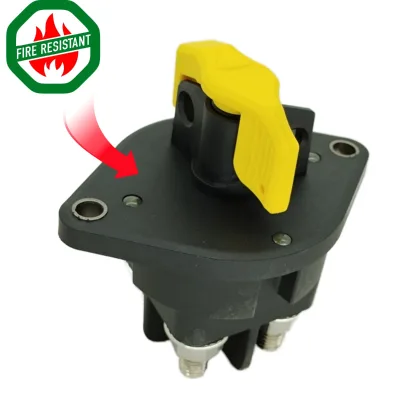


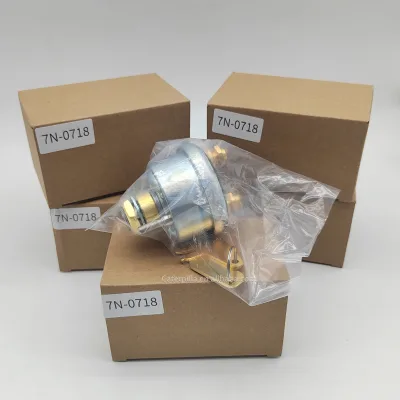


Comprehensive Sourcing Guide
Strategic Sourcing Guide for Construction Machinery Battery Disconnect Switches
Procuring battery disconnect switches for construction machinery requires a disciplined approach that balances high-voltage safety requirements with the rugged demands of heavy equipment operations. The construction sector relies on these components to isolate power sources during maintenance, emergency stops, or extended storage, ensuring the safety of operators and the integrity of complex electrical systems. This guide synthesizes available product attributes and industry standards to provide a framework for evaluating potential suppliers and selecting the right hardware. Buyers must navigate a market where specifications vary significantly between general automotive applications and specialized high-voltage industrial disconnectors.
Technical Specifications and Performance Parameters
When evaluating a battery disconnect switch for construction machinery, the primary focus must be on the electrical ratings and mechanical durability. The core function of the device is to safely interrupt high currents under load. Based on observed market data, buyers should verify that the selected unit supports a maximum continuous current of at least 500A, a threshold often necessary for modern heavy-duty diesel engines and hybrid powertrains. The maximum operating voltage is another critical parameter; while some units are rated for 48V DC, construction machinery often operates at higher voltages, necessitating switches with robust insulation and high breaking capacity.
The physical structure of the switch dictates its suitability for specific machinery. Options include manual horizontal rotary types and remote-operated units. For applications requiring operator safety from a distance, a switch with remote ON/OFF capabilities is preferable. The number of poles is equally important; a three-pole configuration is standard for ensuring complete isolation of positive, negative, and ground circuits. The movement mode, such as a horizontal rotary type, must be compatible with the available mounting space on the vehicle chassis. Additionally, the ingress rating is a non-negotiable specification for outdoor equipment. A rating of IP67 or IP69K is essential to protect internal contacts from water jets, dust, and high-pressure washdowns common in construction environments.
| Parameter | Critical Requirement | Observed Market Data |
|---|---|---|
| Max Continuous Current | High Ampacity (500A+) | 500A observed |
| Max Operating Voltage | Compatible with System Voltage | 48V DC to 12V DC range observed |
| Ingress Rating | Dust/Water Protection | IP67 / IP69K |
| Switch Type | Manual or Remote | Manual, Remote ON/OFF |
| Poles | Complete Circuit Isolation | Three Pole |
| Breaking Capacity | High | High |
Compliance, Certification, and Safety Standards
In the heavy machinery sector, compliance is not merely a formality but a prerequisite for liability protection and operational safety. Buyers must verify that the supplier provides documentation confirming adherence to recognized international standards. The UL standard is a widely accepted benchmark for electrical safety, and products listed with this certification offer a baseline assurance of quality. Furthermore, for high-voltage disconnectors, compliance with IEC and IEEE standards is often required to ensure compatibility with global electrical codes.
Certification marks such as CE indicate conformity with health, safety, and environmental protection standards for products sold within the European Economic Area. However, buyers should not assume that a single certification covers all operational requirements. The specific application of the switch, such as outdoor high-voltage installation, demands rigorous testing against environmental stressors. The grounding mode, whether single ground or otherwise, must align with the machinery's electrical architecture to prevent fault currents from causing damage or injury. When evaluating a supplier, request explicit confirmation of the standard (e.g., UL, IEC IEEE) and the specific certification (e.g., CE) applicable to the model number in question. Do not rely on generic claims; verify that the certification applies to the specific high-voltage disconnect switch model being procured.
Cost Drivers and Pricing Variables
The price of a battery disconnect switch is influenced by a complex interplay of factors, including the maximum current rating, voltage tolerance, and the complexity of the operating mechanism. The observed price range in the market spans from $1.20 to $5,000 USD, reflecting the vast difference between low-current automotive switches and high-capacity industrial disconnectors. A unit rated for 500A with IP69K protection and remote operation will naturally command a higher price than a basic 200A manual switch.
Material costs play a significant role in pricing. High-voltage switches require superior insulation materials and robust contact alloys to handle arcing and high temperatures. The packaging method also impacts the final cost; units shipped in wooden cases or with specialized EPE (Expanded Polyethylene) protection inside cartons incur higher logistics and packaging expenses compared to those in simple OPP bags. Additionally, the brand reputation and the origin of the product, often Zhejiang, China, can influence the price point. Buyers should be wary of prices that seem abnormally low, as they may indicate compromised quality or a lack of necessary certifications. The minimum order quantity (MOQ) also affects the unit cost; while some suppliers offer an MOQ of 1 piece, bulk orders typically yield better pricing structures.
Typical Applications in Construction Machinery
The versatility of battery disconnect switches allows them to serve various roles across different types of construction equipment. The primary application is for the replacement or repair of existing switches in vehicles where the original equipment has failed. These switches are designed for universal fitment across various car makes, ensuring compatibility with a wide range of machinery from excavators to bulldozers. The "Universal" designation implies that the mounting dimensions and electrical interfaces are adaptable to different chassis designs.
Beyond simple replacement, these switches are critical for safety protocols in hybrid and electric construction machinery. In such systems, the ability to quickly and safely disconnect the high-voltage battery is vital for preventing electrocution during maintenance. The manual horizontal rotary type is often used for direct operator control, while remote-operated units are integrated into safety systems that trigger automatic disconnection in the event of a fault. The high breaking capacity ensures that the switch can handle the surge currents generated by large electric motors during startup or shutdown. The rugged construction, including features like a three-column disconnector structure, is specifically engineered to withstand the vibrations and shocks inherent in off-road construction environments.
Supplier Evaluation and Origin Verification
Selecting a reliable supplier is paramount when sourcing critical safety components. The origin of the product, frequently identified as Zhejiang, China, is a common attribute in the market, but the specific manufacturer's reputation and quality control processes are more important than the geographic location alone. Buyers should evaluate suppliers based on their ability to provide detailed product specifications, including the model number (e.g., 880175, HDB-TT, AW-GD209) and the specific series (e.g., Three).
When assessing a supplier, verify their inventory consistency and their ability to meet the required MOQ. While an MOQ of 1 piece offers flexibility for prototyping or small repairs, larger projects may require consistent supply chains capable of fulfilling orders of up to 100 units. The packaging method is also a strong indicator of supplier professionalism. Suppliers who utilize EPE inside and carton outside, or wooden cases for high-value items, demonstrate a commitment to protecting the product during transit. Furthermore, the condition of the product must be confirmed as "New," and the warranty period, typically 1 year, should be clearly stated in the terms of sale. Buyers should avoid suppliers who cannot provide clear documentation regarding the product's origin and standard compliance.
Quality Control and Long-Term Procurement Considerations
Ensuring long-term reliability requires a proactive approach to quality control. The physical dimensions of the switch, such as the single package size of 12x12x9 cm or the standard dimensions of 115mm(L)*70mm(W)*65mm(D), must be verified against the available space in the machinery to ensure a proper fit. The gross weight, observed at 0.520 kg for certain models, is another factor to consider for balance and mounting stability.
For long-term procurement, buyers should prioritize suppliers who offer a warranty, such as the 1-year coverage observed in the market. This warranty serves as a buffer against premature failure and indicates the supplier's confidence in their product. The selling units, often listed as single items, suggest that the market supports both individual replacements and bulk purchasing. However, for large fleets, establishing a relationship with a supplier who can guarantee consistent quality over time is essential. Buyers should also consider the operational temperature range, with observed data indicating a range of -30°C to 80°C, which is suitable for most global construction environments. Regular audits of the supplier's production processes and adherence to the specified standards (UL, IEC IEEE) will help mitigate the risk of supply chain disruptions and ensure that the machinery remains operational and safe.
In conclusion, sourcing a battery disconnect switch for construction machinery involves a careful analysis of technical specifications, compliance standards, and supplier reliability. By focusing on high-breaking capacity, appropriate ingress ratings, and verified certifications, buyers can secure components that meet the rigorous demands of the construction industry. The wide range of available options, from manual rotary switches to remote-operated units, allows for tailored solutions that enhance both safety and operational efficiency.
FAQs
What is the maximum continuous current rating for these switches?
The maximum continuous current rating observed is 500A, which is suitable for heavy-duty applications. This capacity ensures safe operation in modern diesel engines and hybrid powertrains found in construction machinery.
Which ingress rating protects the switch from water and dust?
The switches feature an IP67 or IP69K ingress rating to withstand harsh environments. This protection is essential for outdoor equipment exposed to high-pressure washdowns and dust common in construction sites.
Can these switches be customized for specific machinery needs?
Yes, customization is available for these battery disconnect switches to meet specific requirements. Buyers can request tailored solutions to ensure compatibility with various chassis designs and operational protocols.
What certifications confirm the safety standards of the product?
The products comply with UL standards and hold CE certification for safety and environmental protection. High-voltage models also adhere to IEC and IEEE standards to ensure global electrical code compatibility.
How is the switch operated manually or remotely?
The switches offer both manual horizontal rotary operation and remote ON/OFF capabilities. Manual types allow direct control, while remote options enable safe disconnection from a distance during maintenance or emergencies.
What is the typical warranty period for these switches?
A standard 1-year warranty is provided for these new battery disconnect switches. This coverage indicates supplier confidence in the product's durability and protects buyers against premature failure in demanding conditions.